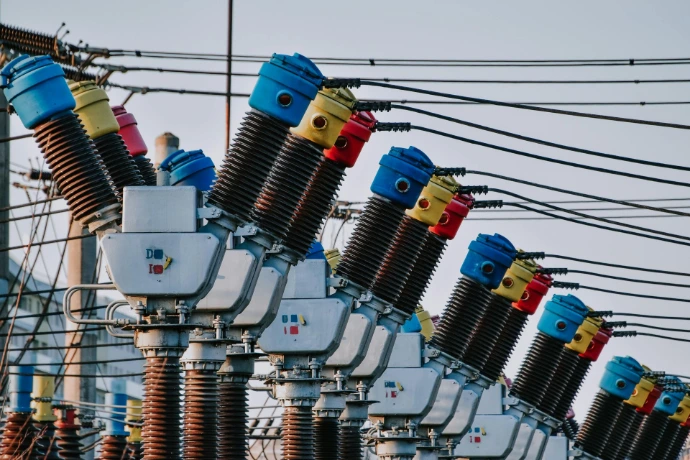
Power
The power industry is the foundational engine of modern civilization, responsible for the generation, transmission, and distribution of electrical energy that keeps industrial manufacturing running, powers digital infrastructure, and sustains daily life across the globe.
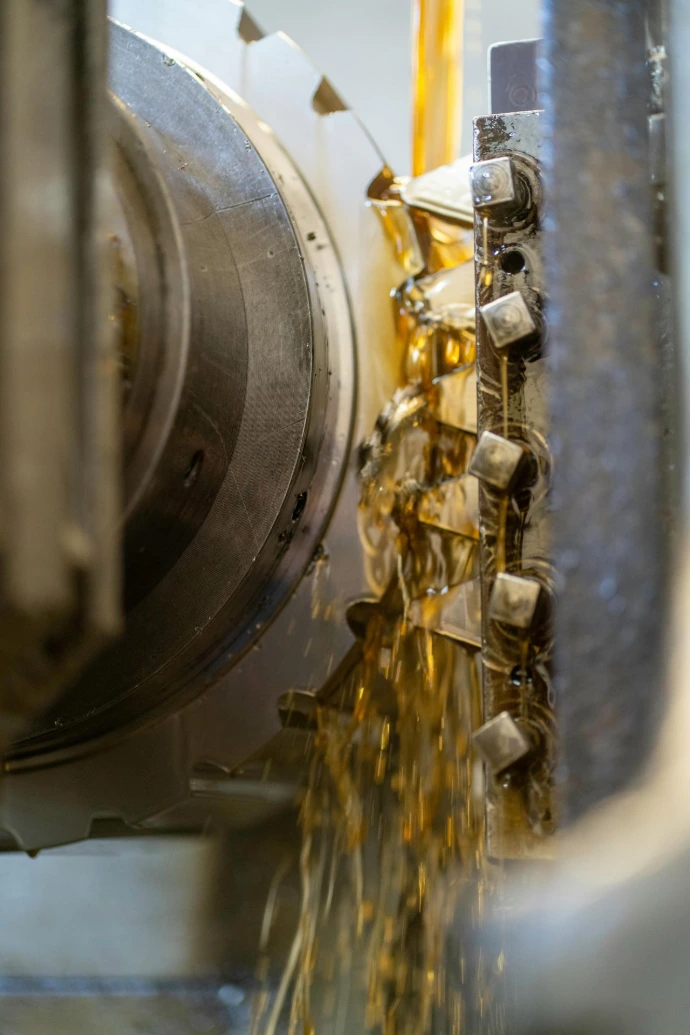
Turbine Lubrication
Turbine oil get ruined from
- Steam & Water Ingress: High-pressure steam leaks past faulty shaft gland seals, introducing water that destroys the oil’s chemistry.
- Varnish & Oxidation Sludge: Severe, localized thermal stress cooks the oil, forming a sticky, amber-colored chemical crust (varnish) on hot surfaces.
- Particulate Grit: Hard airborne dust and sub-micron metallic wear debris bypass basic breathers and accumulate in the reservoir.
The Bottom Line: Contamination in turbine oil is a fatal machine cancer. If you choose to ignore it, a seized valve or melted bearing will eventually trigger a violent, explosive structural failure that destroys your entire asset.
Turbine Control
The oil can get ruined from
- Water Ingress & Hydrolysis: High-pressure steam or atmospheric moisture reacts chemically with the fluid, creating aggressive, destructive acids.
- Varnish Formation: Extreme localized heat and pressure drops cook the fluid, creating a sticky, amber-colored chemical sludge (varnish).
- Particulate Grit: Microscopic metal wear flakes and environmental dust bypass seals and build up in the high-pressure system.
The Bottom Line: Dirty control oil strips away your ability to shut down the turbine in an emergency. Left unrectified, a single sticky valve will eventually trigger a violent, uncontrollable overspeed explosion that completely obliterates your entire plant.
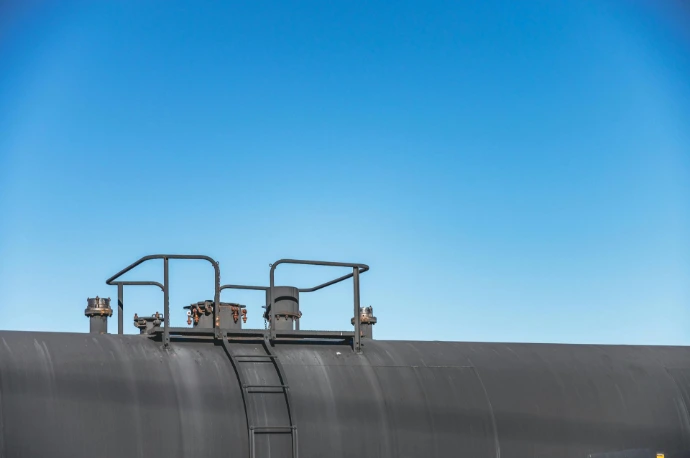
Diesel Storage Tank
Diesel can get ruined from:
- Condensation & Water Ingress: Daily tank temperature swings pull in atmospheric moisture, creating a layer of free water at the bottom of the tank, compounded by rain leaking through worn vents or seals.
- The "Diesel Bug" (Microbial Growth): Bacteria and fungi feed on the fuel and multiply rapidly at the water-diesel interface, creating a thick, living mat of dark, foul-smelling biological slime.
- Tank Corrosion Sediment: As the water layer reacts with steel tank walls, it produces heavy sheets of abrasive rust and scale that flake off into the fuel.
The Bottom Line: A contaminated storage tank is a virus. If you don't clean it, you will pump engine-killing slime into every asset you own, violently destroying your machinery and bankrupting your operation.
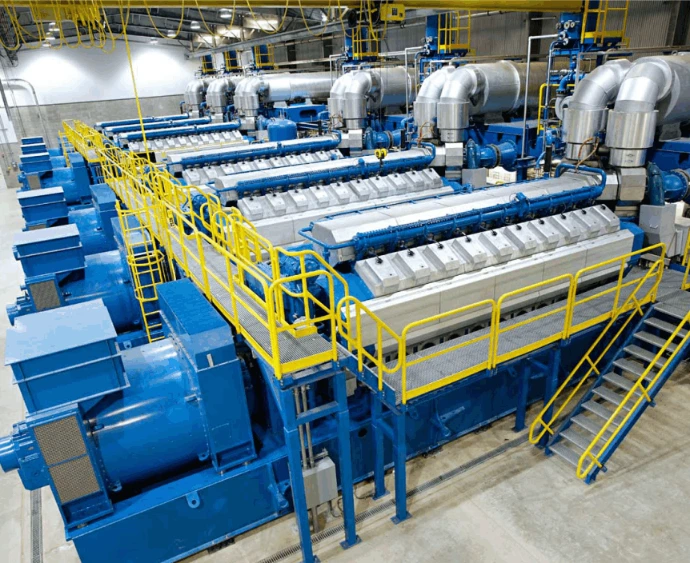
Gas Engine
Contamination includes:
- Nitration & Oxidation: Extreme combustion temperatures force nitrogen oxides ($NO_x$) and oxygen to react with the oil, breaking it down into highly acidic chemical compounds and thick, gummy polymers.
- Corrosive Gas Ingress (Biogas/Landfill Gas): Raw gas contains high levels of hydrogen sulfide ($H_2S$) and siloxanes. Blowby gases force these compounds into the crankcase oil.
- Water Condensation: Frequent start-stops or cool jacket water temperatures trap combustion moisture in the crankcase.
Ignoring gas engine oil degradation initiates an aggressive countdown to absolute mechanical destruction. If left unrectified, expect:
- Valve & Head Destruction: Corrosive acids and ash deposits build up on valve faces, causing severe valve recession where they literally sink into the cylinder head or stick open—triggering total compression loss and cracked heads.
- Piston Seizure & Blown Blocks: Thick, nitrated oil bakes onto piston rings, locking them completely. Diamond-hard silica particles chisel the cylinder walls until the expanding piston permanently seizes at full speed, snapping the connecting rod and shattering the engine block.
- Bearing Wipeout: Aggressive internal acids relentlessly eat away the bearing material until it flakes away, causing a sudden oil pressure drop that instantly starves and welds the crankshaft solid.
- Operational & Financial Ruin: For continuous power generation assets, this results in a sudden blackout, massive non-performance utility penalties, and an astronomical engine replacement bill.
The Bottom Line: Nitration and acids in gas engine oil are a silent killer. If you don't clean and sweeten the oil, the engine will literally choke on its own baked sludge, snapping rods and leaving you with a completely destroyed block and a massive financial disaster.
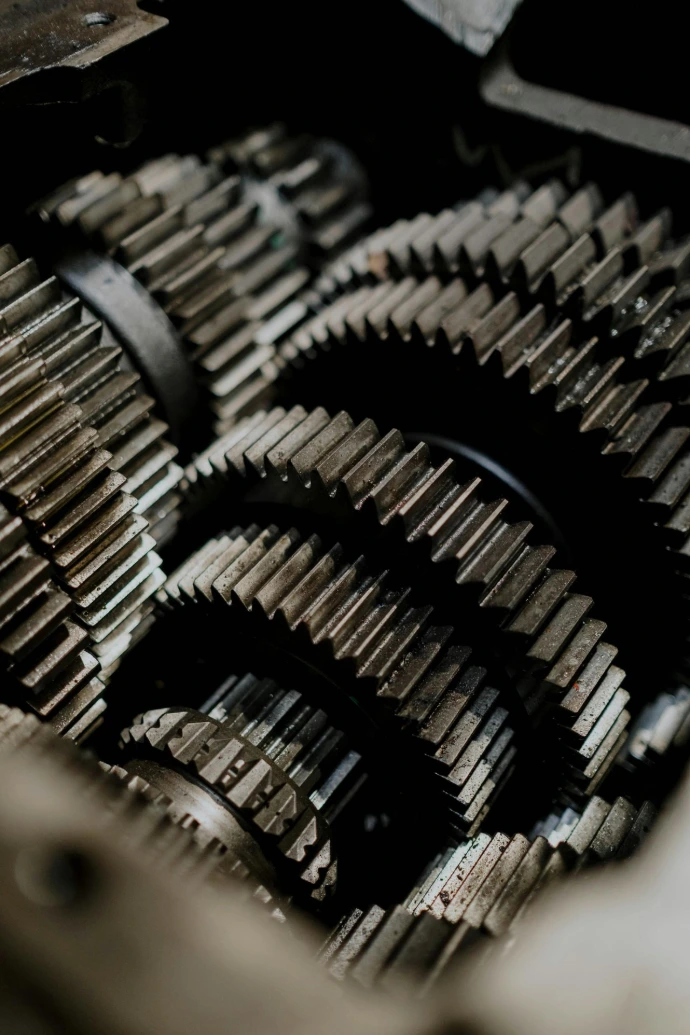
Auxiliary Turbine Gearbox
When contaminated lubrication oil runs through an auxiliary turbine gearbox, it stops protecting and transforms into an aggressive liquid grinding compound, systematically tearing apart high-speed gears and bearings operating under immense torque.
The oil can get contaminated from:
Steam & Water Leaks: High-pressure steam from the turbine shaft glands blows past worn labyrinth seals, directly introducing moisture that destroys the oil's chemistry.
Extreme Thermal Oxidation: Intense localized heat from high-speed gear meshing cooks the oil, forming a sticky, acidic chemical sludge.
Abrasive Metal Grit: Microscopic metal wear flakes and atmospheric dust bypass basic breathers and rapidly accumulate in the oil reservoir.
Ignoring auxiliary gearbox contamination initiates an unstoppable countdown to a catastrophic structural event. If left unrectified, expect:
A High-Speed Gear Tooth Shear: Operating at thousands of RPM, the water-compromised oil film fails, causing extreme friction. The weakened, pitted gear teeth will violently snap and shear off under load, sending broken steel fragments rattling through the moving gear train.
Total Gearbox Seizure & Casing Explosion: As broken metal teeth jam the high-speed rotating assembly, the entire gearbox will lock up instantly. The massive kinetic energy will explode the gearbox casing, bending the shafts and throwing lethal, razor-sharp steel shrapnel through the machinery space.
Complete Operational Paralysis: Because auxiliary turbines drive critical machinery like main boiler feed pumps or backup generators, a sudden gearbox explosion instantly shuts down your entire plant or vessel, leaving you completely helpless.
Astronomical Replacement Costs: This is a catastrophic mechanical disaster. You are looking at weeks of unscheduled downtime, emergency engineering logistics, and a total replacement bill that can easily bankrupt an operation.
The Bottom Line: Contamination in your aux turbine gearbox is a fatal mechanical cancer. If you choose to ignore it, a single sheared gear tooth will eventually trigger a violent, explosive structural failure that completely obliterates your entire asset.
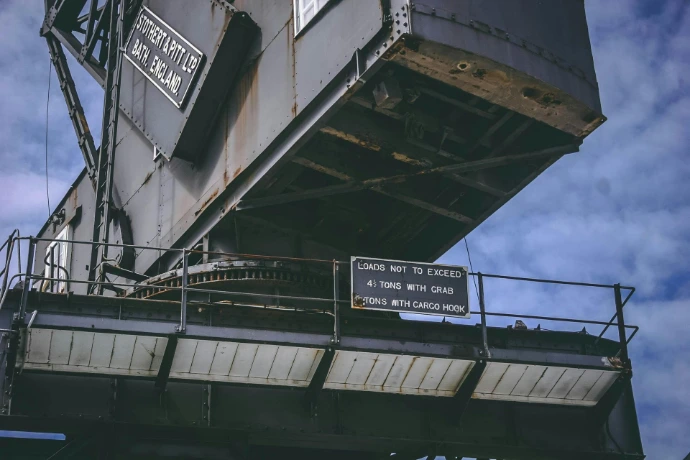
Coal Crane Hydraulics
Operating in brutal, open-air terminal environments, the hydraulic oil is heavily bombarded and ruined by:
Coal Dust Ingress: Airborne micro-fine coal dust and abrasive silica grit bypass worn cylinder seals, rod wipers, and tank breathers, flooding the system.
Moisture & Rain: Heavy tropical downpours and atmospheric humidity force water past reservoir seals, destroying the oil's chemistry.
Internal Wear Metals: High-load operations cause pumps to shed microscopic metallic wear flakes, multiplying the grit inside the fluid.
Ignoring dirty crane oil runs a countdown to a catastrophic operational disaster. If left unrectified, expect:
A Catastrophic Load Drop & Boom Collapse: If coal dust or grit jams a critical directional control valve or causes a sudden, massive cylinder seal blowout while lifting a multi-ton grab, the crane will lose all hydraulic pressure instantly. The heavy boom or grab will drop uncontrollably, crushing anything or anyone on the dock or vessel below, and structurally buckling the crane.
Total Pump Destruction & System Seizure: The main high-pressure axial piston pumps will swallow the abrasive coal slurry until they overheat, seize, and shatter internally at full operating speed, throwing metal shrapnel throughout the entire hydraulic circuit and completely paralyzing your operations.
Demurrage Fines & Financial Ruin: A dead coal crane instantly Halts ship loading or unloading. You face staggering berth penalties, massive vessel demurrage fees (costing tens of thousands of dollars per day), and an astronomical repair bill that can bankrupt a terminal operation.
The Bottom Line: Coal dust in your hydraulic oil converts a precision lifting asset into a deadly, unpredictable weapon. If you choose to ignore it, a single jammed valve spool or a shredded pump will violently drop a multi-ton load, paralyzing your port and exposing your company to massive liability.
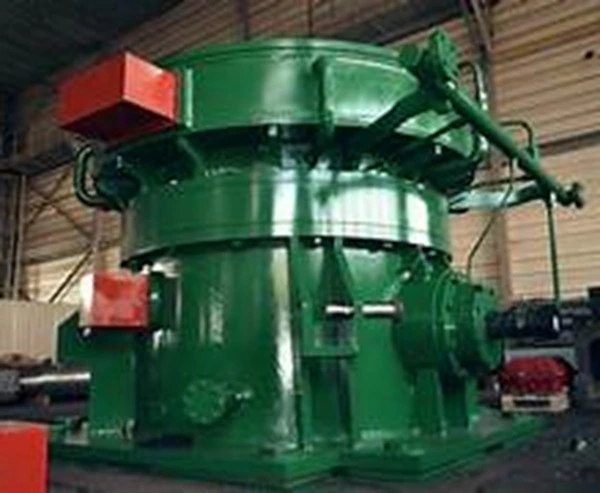
Coal Mill Gearbox
When contaminated lubrication oil runs through a coal mill gearbox, it ceases to protect and transforms into a heavy, abrasive grinding slurry that actively chews apart massive gear teeth operating under brutal, crushing loads.
Operating at the very heart of the coal-crushing process, the oil is heavily bombarded and ruined by:
Coal Dust Ingress: Ultra-fine, airborne coal dust and rock silica bypass heavy shaft seals and reservoir breathers, flooding the oil with hard grit.
Moisture Condensation: High operational heat combined with ambient temperature drops pulls in atmospheric water, destroying oil film strength.
Extreme Wear Debris: The intense torque forces gears to shed microscopic metal flakes, rapidly accelerating the contamination cycle.
Ignoring coal mill gearbox contamination starts an unstoppable countdown to absolute mechanical destruction. If left unrectified, expect:
Catastrophic Gear Tooth Shear: Under the immense resistance of crushing coal, the grit-weakened and pitted gear teeth will violently snap and shear off at the roots, sending heavy chunks of broken steel rattling into the rotating assembly.
Total Gearbox Seizure & Shaft Fracture: As shattered steel teeth jam the high-torque drive train, the entire mill will lock up instantly. The massive kinetic energy will snap the heavy drive shaft and rupture the cast-iron gearbox casing, permanently destroying the unit.
Boiler Starvation & Total Plant Blackout: Because coal mills feed the pulverized fuel directly to the boilers, a sudden gearbox seizure instantly drops a mill offline. If multiple mills fail, it triggers an emergency boiler trip and total power plant shutdown.
Staggering Financial Ruin: This is a multi-million-dollar disaster. You face immediate operational paralysis, massive grid non-performance penalties, and a lengthy, astronomical repair timeline to replace a massive, specialized industrial gearbox.
The Bottom Line: Coal dust in your gearbox oil is a fatal machine cancer. If you choose to ignore it, a single sheared gear tooth will violently shatter your drive train, starve your boilers, and plunge your facility into a catastrophic, expensive blackout.
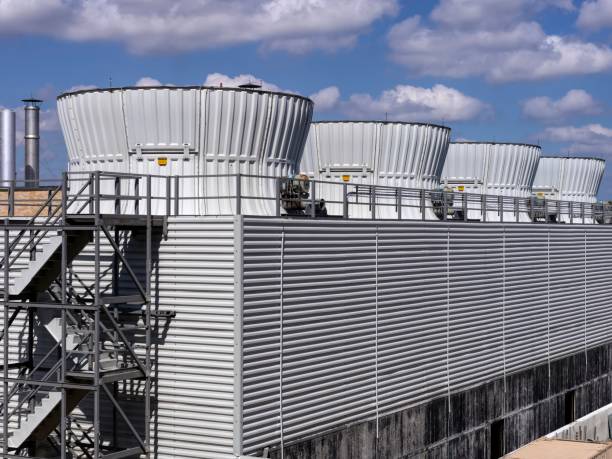
Cooling Towers
When contaminated lubrication oil runs through a cooling tower gearbox, it stops being a lubricant and transforms into a corrosive grinding slurry, actively destroying high-torque gears and bearings right in the middle of the moisture stream.
Operating at the very top of a humid, exposed structure, the gearbox oil is relentlessly bombarded and ruined by:
Massive Water & Steam Ingress: The fan constantly draws a heavy, saturated mist of water droplets upward, forcing moisture past worn output shaft seals directly into the oil reservoir.
Airborne Dust & Biological Ingress: Cooling towers act as massive air scrubbers, pulling in environmental dust, pollen, and living biological spores that bypass basic breathers and mix with the oil.
Condensation: Extreme temperature swings between operational heat and cold fan shutdowns trap heavy atmospheric moisture inside the casing.
Ignoring cooling tower gearbox contamination runs an invisible countdown to a catastrophic structural failure. If left unrectified, expect:
A High-Speed Gear & Shaft Fracture: The water-compromised oil film fails, causing extreme friction under high torque. The rust-weakened gear teeth will violently snap off at the roots, sending broken steel fragments rattling through the moving gear train.
Total Fan Seizure & Casing Explosion: As broken metal teeth jam the rotating assembly, the gearbox will lock up instantly at full operating speed. The immense kinetic energy will snap the output shaft and explode the gearbox casing, sending the massive fan blades tearing loose to rip through the cooling tower structure.
Total Plant Shutdown & Starvation: Because cooling towers provide vital heat rejection for entire industrial processes or power plant condensers, a sudden fan failure instantly forces an emergency plant trip—paralyzing your entire operation within seconds.
Astronomical Replacement Costs: This is a major mechanical disaster. You face immediate operational paralysis, unsafe working conditions on the tower deck, and an astronomical repair bill to replace a specialized, hard-to-reach industrial unit.
The Bottom Line: Moisture in your cooling tower oil is a fatal machine cancer. If you choose to ignore it, a single sheared gear tooth or seized bearing will violently shatter your drive train, wreck your cooling cells, and plunge your facility into a costly, unscheduled shutdown.
Tap Changers
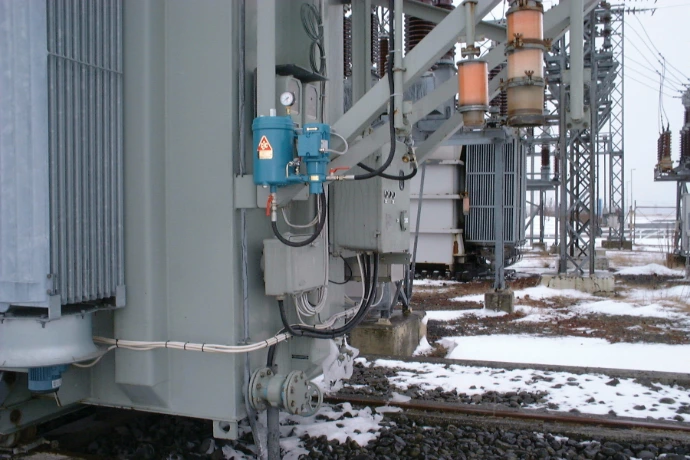
When contaminated oil runs through an On-Load Tap Changer (OLTC), it transforms from an electrical insulator into a volatile, conductive hazard, turning a vital voltage regulator into a literal bomb attached directly to your multi-million-dollar main transformer.
Every time the tap changer switches under load, it is actively attacked and degraded by:
Intense Arcing Carbon (Soot): High-voltage electrical arcs cook the surrounding oil, generating a massive buildup of conductive carbon soot particles.
Moisture Ingress: Humid air breathes into the selector tank through worn seals or faulty dehydrating breathers, introducing free water.
Metallic Wear Debris: Constant mechanical friction sheds microscopic copper and silver particles into the oil.
Ignoring tap changer oil contamination initiates an unstoppable countdown to an explosive utility disaster. If left unrectified, expect:
A Catastrophic Internal Flashover: The moment the oil's dielectric strength drops below critical limits, the high-voltage electricity will arc straight through the contaminated oil instead of across the contacts. This causes a sudden, massive short-circuit flashover inside the OLTC compartment.
A Violent Tank Explosion: The high-energy flashover instantly vaporizes the oil into highly explosive gases (like hydrogen and acetylene). The immense internal pressure will violently rupture and explode the tap changer tank, raining burning oil across your substation.
Total Main Transformer Destruction: If the OLTC explosion breaches the barrier to the main transformer tank, it triggers a sympathetic failure of the main windings. Your multi-million-dollar power transformer is instantly destroyed, transforming into an unrecoverable, blazing inferno.
Grid Paralysis & Financial Ruin: A transformer explosion means an immediate, widespread blackout. You face astronomical grid non-performance fines, millions of dollars in asset replacement costs, and a catastrophic lead time of up to a year to source and install a new substation transformer.
The Bottom Line: Carbon and water in your tap changer oil create a lethal cocktail. Left unrectified, dirty oil will eventually trigger a massive electrical flashover that will violently explode your equipment, incinerate your main transformer, and plunge your facility into a financial nightmare.
Transformers
When contaminated oil fills a high-voltage transformer, it ceases to be a safe electrical insulator and transforms into a volatile, conductive hazard—effectively turning your most expensive substation asset into a massive, pressurized bomb waiting to detonate.
Oil get ruined from:
Moisture Ingress: Faulty gaskets, cracked breathers, or humid air drawing past seals introduce water, which is rapidly absorbed by the internal paper insulation.
Solid Insulation Degradation: Extreme operational heat cooks the transformer's internal paper insulation, causing it to break down and shed millions of microscopic cellulose fibers into the oil.
Oxidation and Sludge: Oxygen reacting with hot oil forms aggressive acids and a thick, sticky chemical sludge.
Ignoring transformer oil contamination runs a countdown to an irreversible, explosive disaster. If left unrectified, expect:
A Catastrophic Internal Flashover: The moment the oil's dielectric strength drops below critical limits, high-voltage electricity will arc straight through the contaminated oil. This creates an instantaneous, catastrophic short-circuit between the windings.
A Violent Tank Explosion & Firestorm: The multi-thousand-degree electrical arc instantly vaporizes the surrounding oil into highly explosive gases (like hydrogen and acetylene). The immense, instantaneous pressure wave will violently rupture the steel transformer tank, triggering a massive explosion and an un-extinguishable chemical firestorm.
Substation Destruction & Grid Paralysis: The resulting blast can breach nearby equipment, flattening your entire substation, causing widespread blackouts, and exposing your company to severe regulatory penalties and immense legal liability.
Complete Financial Ruin: Large power transformers are exceptionally long-lead items. A catastrophic explosion means your operations are paralyzed for months—or even over a year—while you wait for an astronomical, multi-million-dollar replacement asset to be built and delivered.
The Bottom Line: Water and particles in your transformer oil are a lethal cocktail. Left unrectified, dirty oil will eventually trigger an unstoppable internal flashover that will violently explode the tank, incinerate your asset, and plunge your business into a financial nightmare.