Industry
Many industry rely on massive, high-torque machinery where oil lubrication and fuel cleanliness act as the vital lifeblood for operational survival. High-purity lubricants form a crucial microscopic barrier that eliminates metal-on-metal friction and dissipates intense heat, while pristine fuel ensures optimal combustion and protects precision injection systems. When these fluids become contaminated with moisture or particulates, it triggers accelerated component wear, valve jamming, and sudden mechanical breakdowns. By implementing proactive fluid filtration and conditioning, heavy industries can eliminate catastrophic, multi-million-dollar emergency shutdowns, safely extend machinery runtime, and drastically lower total lifecycle maintenance costs.
Cement
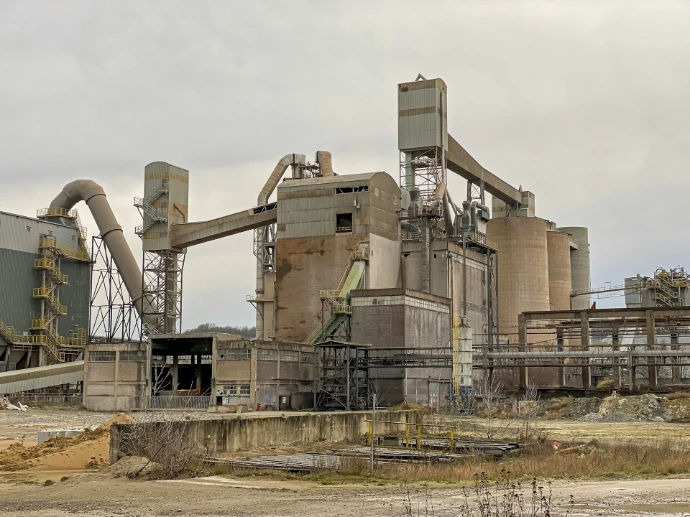
When contaminated oil or lubrication runs through a cement plant, it stops protecting and transforms into an aggressive liquid sandpaper. Cement plants operate under some of the most brutal loads in heavy industry; allowing dirty oil to circulate means you are actively grinding your multi-million-dollar production line to pieces from the inside out.
Operating in a continuous cloud of abrasive dust, the plant's lubrication systems are heavily bombarded and ruined by:
Clinker & Raw Meal Dust Ingress: Ultra-fine, diamond-hard cement clinker dust, limestone grit, and raw meal bypass worn labyrinth seals and standard breathers, flooding gearboxes and hydraulic reservoirs.
Severe Moisture Condensation: Intense operational heat combined with ambient temperature drops pulls heavy atmospheric moisture into the oil, compounded by outdoor equipment exposed to torrential rain.
High-Heat Thermal Breakdown: Kiln-adjacent equipment operates under extreme thermal stress, cooking the oil into a sticky, acidic chemical sludge.
Ignoring oil contamination in a cement plant starts an unstoppable countdown to absolute mechanical and financial destruction. If left unrectified, expect:
A Catastrophic Kiln Drive Seizure: If the lubrication film fails on the massive kiln girth gear or main drive gearbox, the intense friction will cause the gear teeth to violently snap and shear off under load. The entire rotating kiln will lock up instantly, warping the massive shell and cracking the internal refractory brick lining.
Vertical Roller Mill (VRM) Explosion: The thrust bearings in a VRM endure crushing forces of hundreds of tons. Swallowing cement dust will cause these bearings to violently seize at full operating speed, snapping the drive shaft and rupturing the massive gearbox housing, throwing lethal steel shrapnel across the mill floor.
Total Plant Paralysis & Production Fines: Because the kiln and mills operate as a single continuous line, a failure in one major gearbox instantly shuts down the entire plant. You face an immediate loss of hundreds of tons of daily output, catastrophic unscheduled downtime, and astronomical emergency repair timelines.
Astronomical Replacement Costs: Replacing a main kiln drive or VRM gearbox takes weeks or months of brutal logistics and costs hundreds of thousands—or even millions—of dollars, a disaster that can completely bankrupt a facility.
The Bottom Line: Cement dust in your oil is a fatal machine cancer. If you choose to ignore it, a single sheared gear tooth or a seized bearing will violently shatter your drive train, warp your kiln, and plunge your facility into a catastrophic, expensive shutdown.
Data Center
Because data center fuel often sits undisturbed for months or years, it becomes a ticking time bomb through:
The "Diesel Bug" (Microbial Infestation): Bacteria and fungi thrive in the dark, feeding on the fuel at the water interface and multiplying into thick, living mats of acidic biological slime.
Condensation Accumulation: Daily temperature fluctuations cause the tank to breathe in humid air, condensing free water onto the walls that settles straight to the bottom of your tank.
Fuel Oxidation & Sludge: Over months of stagnation, modern ultra-low sulfur diesel (ULSD) naturally degrades, polymerizing into heavy, dark chemical gums and tar-like sediments.
Tank Corrosion Scale: The water and microbial acids relentlessly eat away at steel tank walls, shedding sheets of abrasive rust particles into the fuel.
Ignoring fuel contamination in a data center runs a silent, terrifying countdown to absolute operational and financial ruin. If left unrectified, expect:
A "Dark Site" Catastrophe During a Grid Outage: The utility grid drops. Your critical UPS batteries have only minutes of life. The massive backup generators crank and start, but within 10 to 15 minutes, the engine-killing sludge violently chokes the fuel filters. Every single generator starves and dies under full load, dropping your entire facility dead dark.
Simultaneous, Multi-Engine Seizure: The acidic water and abrasive rust completely ruin your high-pressure fuel pumps, causing fuel injectors to stick wide open or seize. This leads to uncontrolled cylinder overheating, melted pistons, and snapped connecting rods—violently destroying multiple multi-megawatt engine blocks simultaneously.
Total Data Loss & Hardware Destruction: A sudden, un-managed power drop on thousands of active servers can trigger widespread data corruption, storage array crashes, and catastrophic hardware damage across your entire server floor.
Immediate Financial and Reputational Ruin: A dark data center means breached SLAs, millions of dollars in immediate non-performance penalties, and a ruined brand reputation that spreads across the tech industry in minutes, permanently driving your corporate clients straight to your competitors.
The Bottom Line: Stagnant, dirty diesel is a parasite that strips away your data center's final line of defense. If you choose to ignore it, a single mat of bacterial slime will drop your entire facility dark during a crisis, incinerating your client trust and bankrupting your operation.

Automotive
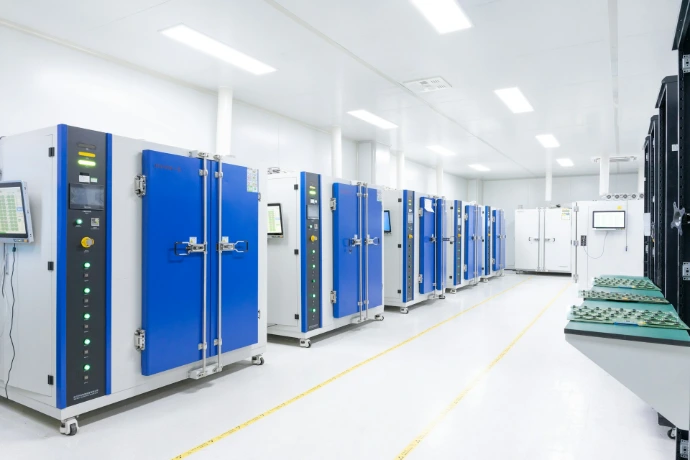
Automotive manufacturing plants operate as high-volume, precision-driven environments where structural integrity and flawless aesthetic quality are paramount. In the stamping shop, giant presses shape raw steel sheets into vehicle body panels. Achieving a premium, defect-free surface finish at this initial stage is critical, as any imperfection will carry through to the final painting process.
To guarantee this quality finishing, clean wash oil is absolutely crucial. Before stamping, steel coils are coated with wash oil to clean the metal surfaces and provide necessary lubrication for the heavy dies. Pristine wash oil removes micro-particulates, rust preventatives, and mill scale, ensuring that the stamped body parts emerge smooth and perfectly prepared for subsequent welding and e-coating.
If the wash oil becomes dirty or contaminated with microscopic metal debris, the consequences are immediate. Contaminants get pressed directly into the steel sheets under immense pressure, causing surface pitting, scratches, and micro-cracks on the panels.
These defects bypass quality checks or surface later in the paint shop as glaring blemishes, forcing expensive, labor-intensive manual rework, or resulting in the outright scrapping of stamped parts.
The Bottom Line: Ultimately, dirty wash oil severely compromises production throughput, drives up component reject rates, and inflates total manufacturing costs.
Quenching
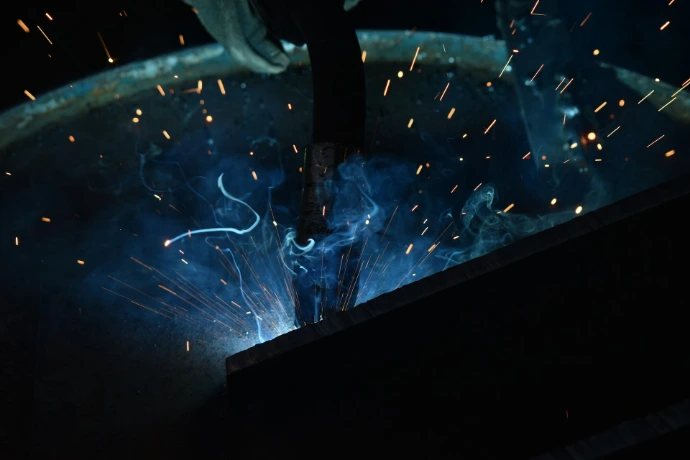
When hot metal hits a quenching tank, the oil must execute a flawless, microseconds-precise thermal extraction. Allowing your quenching oil to become contaminated completely breaks this heat-transfer cycle, turning a controlled metallurgy process into a chaotic hazard that produces brittle, warped scrap and risks a deadly, explosive furnace fire.
To harden steel properly, the oil must transition cleanly through three distinct phases: the Vapor Blanket phase (where the hot metal is insulated by oil vapor), the Boiling phase (where the oil boils violently and extracts heat at maximum speed), and the Convective phase (slow cooling).
Only clean, pure oil can guarantee that this cooling curve happens uniformly across the entire surface of the part. Contamination breaks this precise timing, causing erratic heat extraction that destroys the steel's internal grain structure.
Water Ingress (The Ultimate Threat): Condensation from atmospheric humidity or leaking heat exchanger tubes introduces water, which settles or emulsifies into the oil.
Scale and Carbon Sludge: High-temperature oxidation causes the oil to break down into heavy, sticky carbon sludge, while oxide scale flakes off the incoming hot metal and accumulates in the tank.
Particulate Grit: Environmental dust and soot enter through unsealed tank covers, creating an abrasive slurry.
Ignoring quenching oil contamination runs an immediate countdown to a catastrophic structural and safety disaster. If left unrectified, expect:
A Massive, Explosive Tank Boil-Over & Firestorm: If the oil contains even 0.1% water, the sudden, violent steam expansion when a hot load drops will cause the oil to instantly foam up, overflow, and spew a massive cloud of pressurized, flammable oil mist straight into the furnace flames. This triggers an instantaneous, catastrophic fireball that will engulf the entire heat treatment bay, destroying the plant and severely burning anyone nearby.
Total Part Distortion and Destructive Cracking: Erratic cooling across the part causes severe internal thermal stresses. The metal will violently warp, twist, or literally snap and crack into pieces during the quench, transforming entire batches of expensive, precision-machined components into unrecoverable scrap metal.
Brittle Structural Failures Downstream: Parts that survive without visible cracks will suffer from a compromised metallurgical structure, packed with hidden internal defects. When these parts are installed in critical industrial machinery, they will shatter under operational load without warning, triggering catastrophic field failures and exposing your company to massive legal liability.
Complete Plant Paralysis: A single tank eruption or a massive batch of cracked parts instantly halts your production line, landing your facility with staggering unscheduled downtime, lost customer contracts, and millions of dollars in damages.
The Bottom Line: Water and sludge in your quenching oil turn a controlled thermal process into a volatile, unpredictable bomb. If you choose to ignore it, a single pocket of moisture will violently erupt your tank, incinerate your heat-treatment shop, destroy your product, and plunge your facility into a multi-million-dollar nightmare.
Heat Transfer Oil
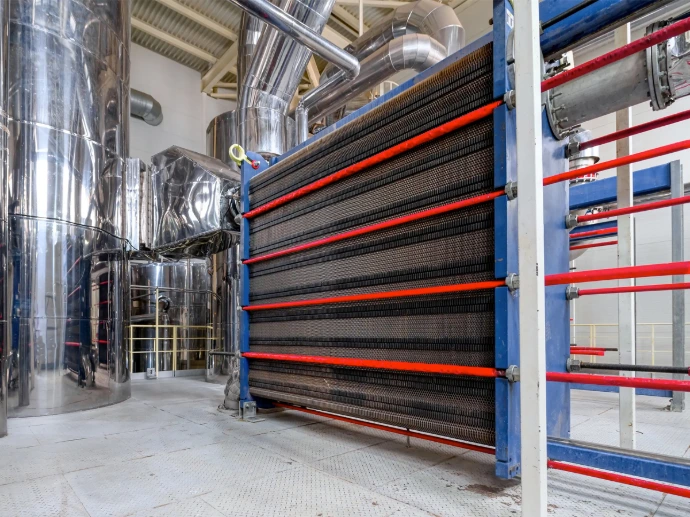
Heat transfer oil is a vital heating medium for industrial production processes that require high temperatures between 140°C and 310°C. It is highly valued because it does not boil at these extreme temperatures, providing fewer system restrictions compared to traditional water and steam systems across various industries, including food processing and petrochemicals.
However, this oil is difficult to maintain and frequently accumulates large quantities of dirt, carbon deposits, sludge, and varnish due to the high operating heat.
The consequences of dirty heat transfer oil are severe. Contamination leads to fluctuating heat emittance, which directly increases daily energy consumption and production costs. Additionally, the extreme heat degrades the oil and breaks down its additives, which lowers the fluid's flash point.
A reduced flash point significantly increases the risk of self-ignition and factory fires, severely endangering employees. Ultimately, failing to keep the oil clean necessitates frequent, costly oil changes and causes unexpected breakdowns, thereby driving up overall maintenance expenses.
Injection Molding
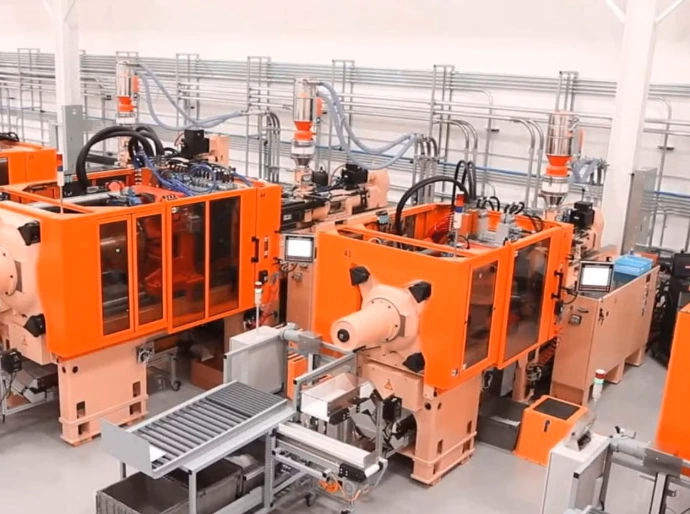
Injection molding is a vital manufacturing process used to produce plastic parts in various sizes and complexity. During this process, a hydraulic system applies heavy clamping force and injects polymers into a mold. Maintaining a stable hydraulic system is essential for stable production, especially since many manufacturing companies aim to operate their machines continuously, 24/7.
The reliability of these machines heavily depends on the cleanliness of the hydraulic oil. Contaminated oil typically suffers from oxidization, water intrusion, and particle contamination. If the oil becomes dirty, oxidization creates a varnish that settles on internal components, causing them to stick.
The consequences of running a machine with dirty oil are severe. Varnish build-up leads to valve malfunctions, making the production system inefficient, less precise, and unreliable. Furthermore, hard particle contamination causes significant wear on critical system parts, including pumps, cylinders, pistons, and hydraulic hoses. Ultimately, this excessive wear increases the risk of mechanical breakdowns, highly costly component replacements, and unplanned downtime
Tire Manufacturing
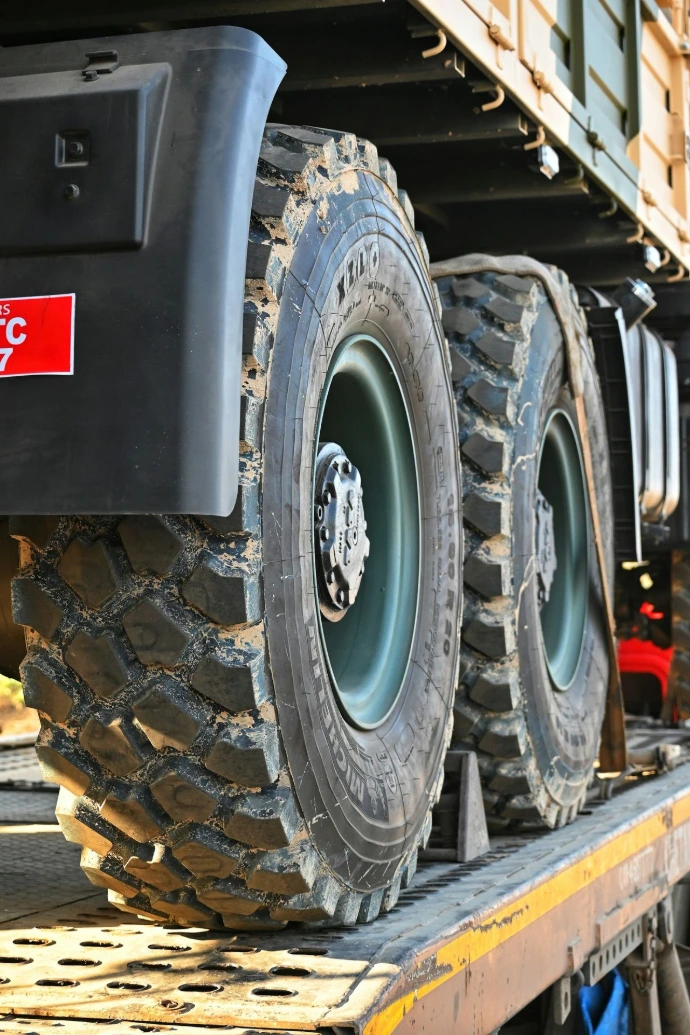
Tire manufacturing involves heavy-duty machinery, such as Banbury mixers and curing presses, which operate in harsh environments. In these critical stages of production, maintaining clean hydraulic and gear oil is essential to ensure the longevity and reliable performance of the equipment.
When oil becomes contaminated with particles like carbon black, water from steam heating, or degradation products, the consequences are severe. Dirty oil causes abrasive wear, cavitation, and micro-pitting, which destroy metal surfaces and significantly reduce the lifespan of essential components like gears, pumps, seals, and valves.
Consequently, operating with dirty oil leads to frequent equipment breakdowns, high maintenance costs, and costly production downtime. By implementing effective oil filtration, manufacturers can reuse their oil, lower their carbon footprint, and prevent these catastrophic equipment failures