Marine
The marine industry serves as the ultimate engine of global commerce, moving over 80% of international trade through a massive, interconnected network where specialized vessels and ships act as the primary lifelines carrying raw materials and finished goods across oceans, while high-tech ports and jetty terminals serve as the vital, high-efficiency gateways that bridge maritime routes to land-based supply chains.
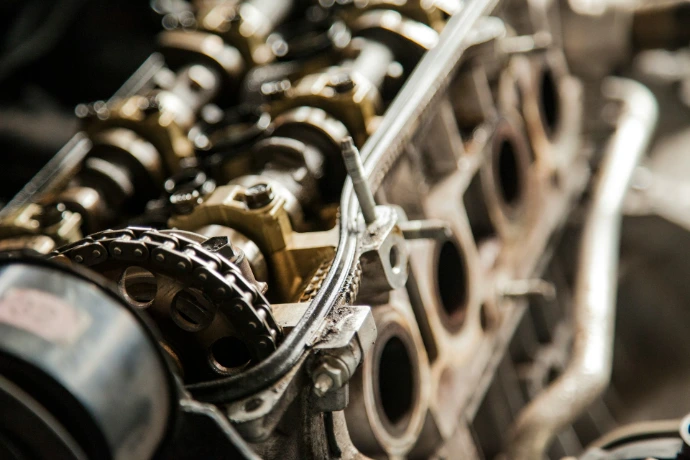
Diesel Engine Lube
Oil get ruined when
- Soot & Carbon: Incomplete combustion blows abrasive carbon particles past the pistons, turning the oil into pitch-black sludge.
- Fuel Dilution: Raw diesel leaks into the oil crankcase, dangerously thinning its viscosity.
- Moisture & Coolant: Internal leaks or condensation mix with sulfur to form highly corrosive acids.
- Metal Debris: Microscopic wear particles accumulate, multiplying internal friction.
If ignored, some of the consequences:
- Exploded Turbochargers: Spinning at over 100,000 RPM, the slightest grit or film loss instantly starves turbo bearings, causing immediate seizure, shattered blades, and a ruptured housing.
- A "Thrown Rod" (Blown Block): Under immense combustion pressure, a failed oil film causes metal to weld at high speed, snapping connecting rods and punching a massive hole straight through the engine block—turning it into instant scrap metal.
- Piston Seizure: Baked sludge locks piston rings and destroys compression, causing the pistons to overheat, expand, and permanently seize inside the cylinder liners—instantly freezing the entire engine.
- Operational & Financial Ruin: This is not a simple repair. It means sudden, unscheduled downtime, thousands in emergency logistics, and a total engine replacement bill that can easily bankrupt an operation
The Bottom Line: Dirt in the oil is an engine cancer. Left alone, it will violently terminate the life of your machinery.
Marine Fuel
The Bottom Line: Dirty fuel is a ticking time bomb. The moment that water or slime hits your high-pressure injectors, your fuel system will tear itself apart, leaving you with an dead engine and a massive replacement bill.
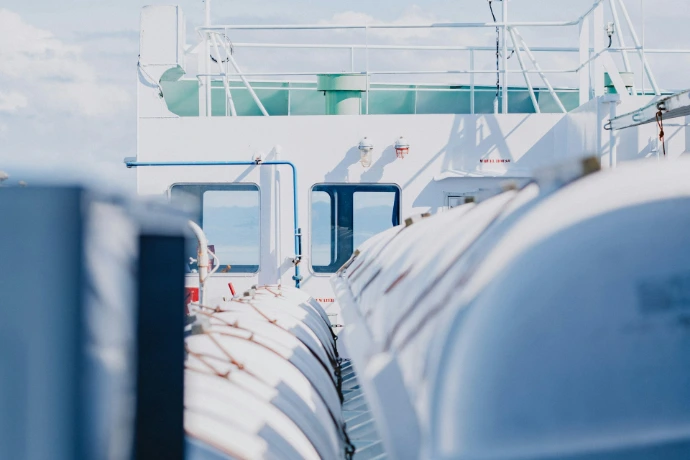
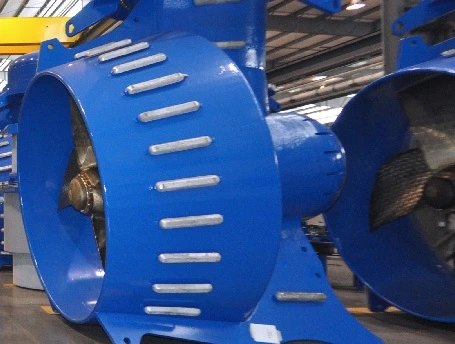
Marine Thrusters
The Bottom Line: Water in your thruster oil is a direct threat to your ship's survival. Left unrectified, it will shred your underwater gears, paralyze your vessel, and force an incredibly expensive emergency dry-docking.
Marine Cranes
The Bottom Line: Dirty hydraulic oil converts a crane from an asset into a deadly liability. If you don't clean the oil, a sudden valve jam or pump failure will eventually drop a multi-ton load straight onto your deck or crew.
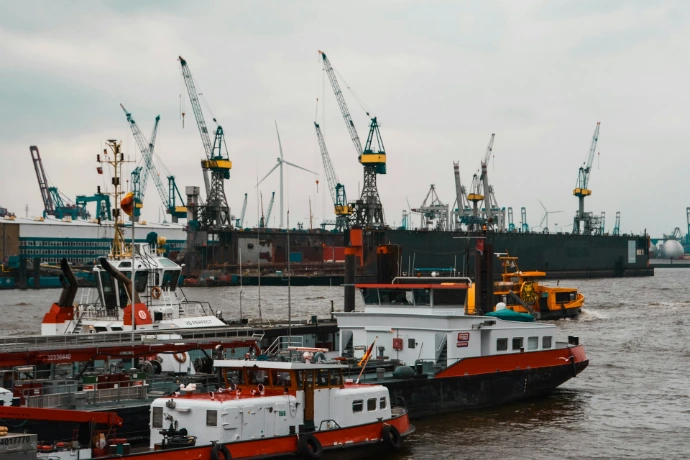
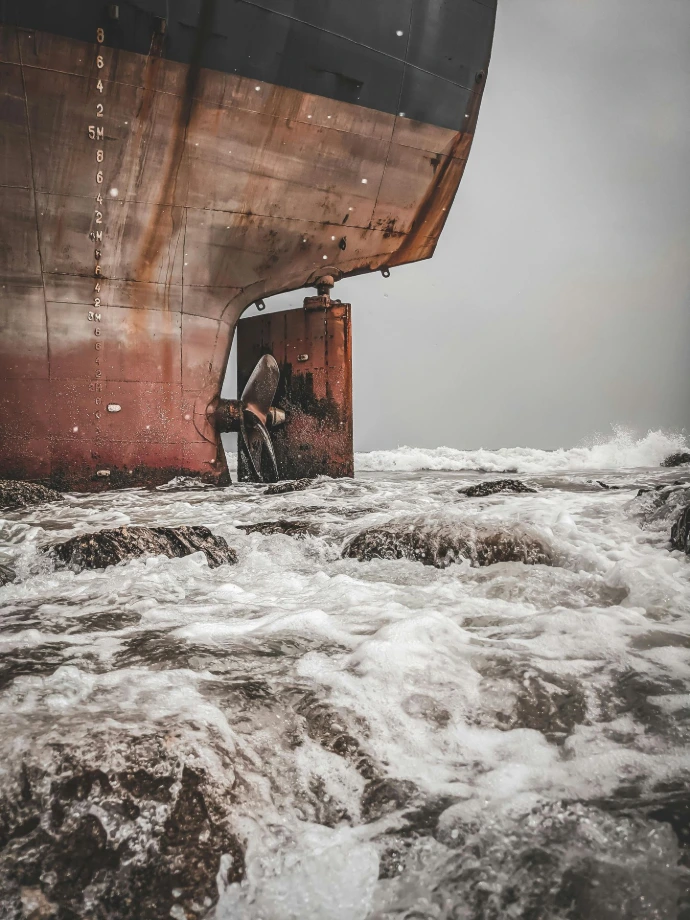
Stern Tubes
The Bottom Line: Water in your stern tube oil is a direct threat to your ship's operation and your company's bank account. If you don't clean it, a wiped bearing will force an immediate, incredibly expensive emergency dry-docking and draw heavy environmental penalties.
Steering Gears
The Bottom Line: Dirty steering oil strips away your control of the ship. Left unrectified, a single jammed valve will leave you completely helpless in tight waters, heading straight for a catastrophic collision or grounding.

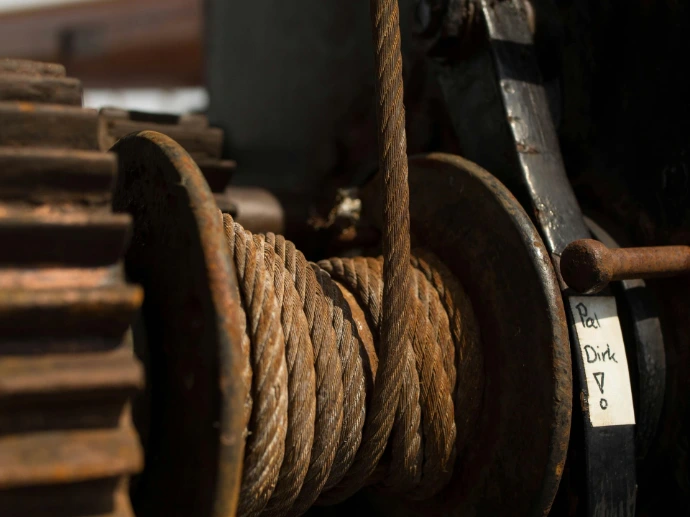
Winch
The Bottom Line: Dirty winch oil converts pulling power into a deadly weapon. Left unrectified, a single jammed valve or slipping brake will eventually cause a high-tension line to snap, destroying deck equipment and putting your crew's lives at immediate risk.
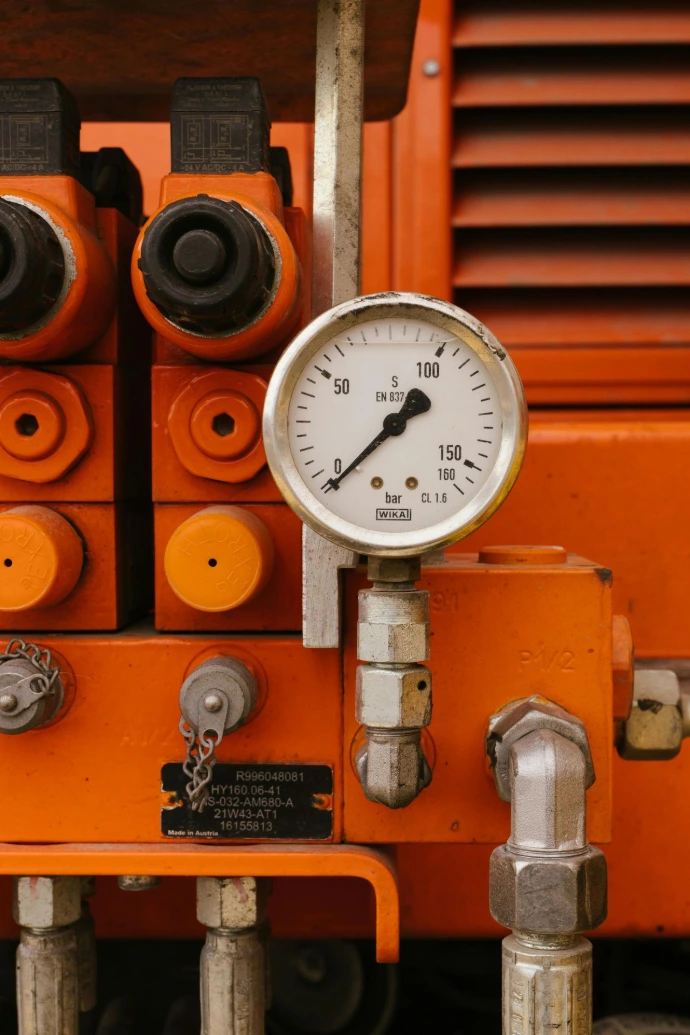
Hydraulic Valves
The Bottom Line: Dirty oil strips away your control over high-pressure hydraulics. Left unrectified, a single jammed valve spool will turn your heavy machinery into an unstoppable, destructive force on your deck.
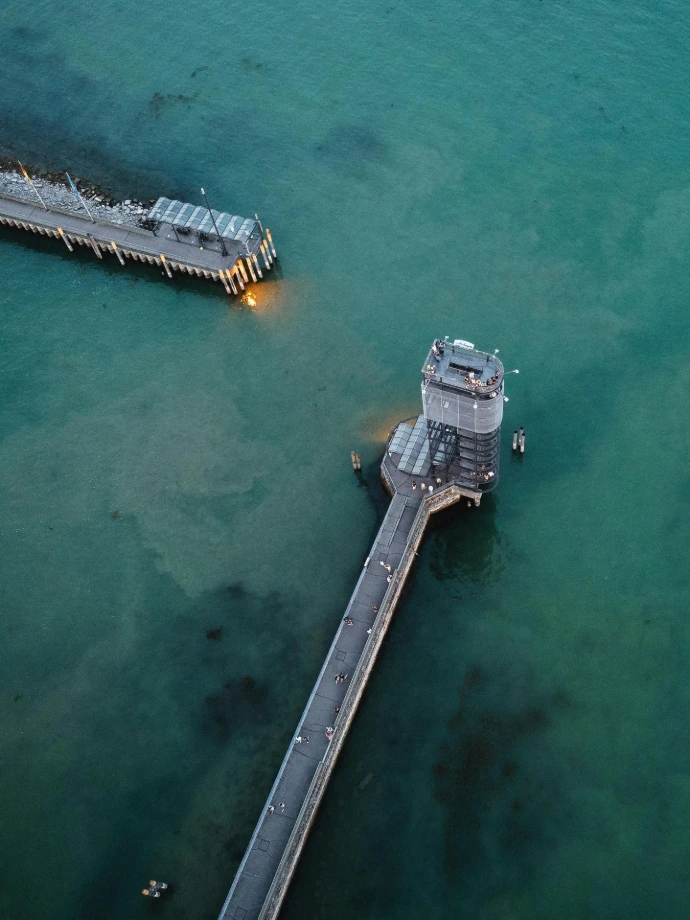
Jetty Terminals
A jetty terminal is the critical interface bridging maritime transport and land-based infrastructure. Ensuring efficient passenger transit and fluid transfer at these facilities relies heavily on specialized equipment:
- Marine gangways provide stable passenger passage
- Fenders absorb vessel impacts
- Mooring bollards secure the ship safely against the berth.
- Hose towers and flexible composite hoses facilitate high-volume fluid transfers.
If this infrastructure fails, the consequences are immediate and severe. Corroded gangways can collapse, causing passenger injuries, while degraded fenders or broken bollards can cause a vessel to crash into the terminal or break adrift. Furthermore, ruptured fluid hoses or malfunctioning towers can lead to hazardous oil spills, severe fire risks, and immediate port shutdowns. Financially, equipment failure triggers massive environmental fines, extensive structural repairs, and multimillion-dollar operational downtime.