Mining
The mining industry operates in an extremely dirty and rough environment, exposing equipment to extreme weather, high vibration, and silica dust. These harsh conditions cause particles, water, and condensate to heavily contaminate hydraulic fluids, gear oils, and diesel fuels, making oil cleanliness a critical operational challenge
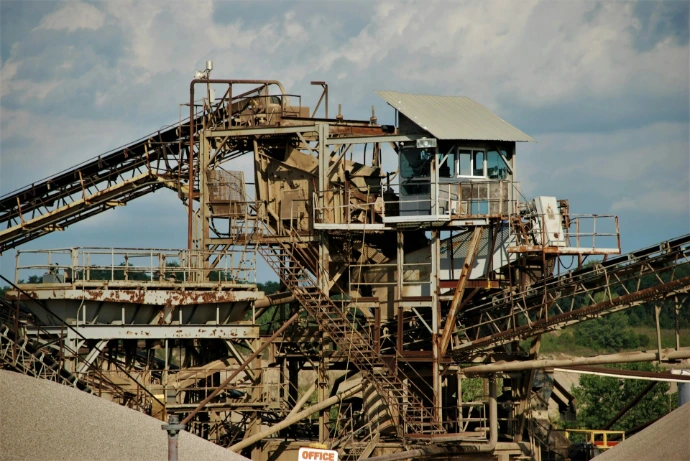
Crushers
Primary, secondary, and tertiary crushers are the key equipment for effective production in the mining industry. They operate in extremely rough environments, which exposes their lube and gear oil systems to severe particle and water contamination.
Maintaining absolute oil cleanliness is a must for crushers to operate reliably and efficiently. Clean oil helps operators achieve recommended ISO cleanliness levels, ensuring smooth performance and significantly reducing the need for frequent oil changes.
The consequences of dirty oil in crushers are severe. Contaminants cause seal failures, oil degradation, and destructive wear on sensitive system parts like bushings, socket liners, and bevel gears. The buildup of particles and water can be so extreme that crushers face complete shutdowns simply to shovel dirt directly out of the tanks. Ultimately, contaminated oil guarantees unscheduled stoppages, expensive unbudgeted component replacements, and massive lost production
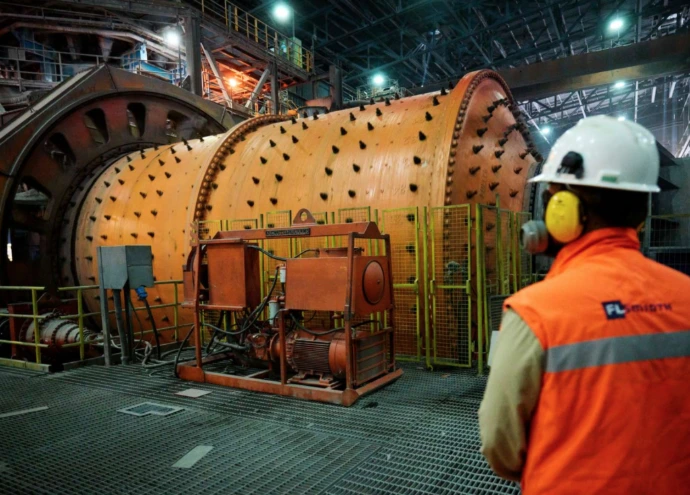
Mills
Mills are essential processing equipment in the mining industry, constantly operating under immense loads and extremely rough environmental conditions. Because of these harsh surroundings, their lube and gear oil systems face constant exposure to severe contamination from water, silica dust, and oil degradation products.
Maintaining absolute oil cleanliness is a must for mills to operate reliably, efficiently, and profitably. Achieving recommended ISO cleanliness levels ensures smooth performance, extends the lifetime of the equipment, and can save mining operations up to 50% in maintenance costs.
If the oil becomes dirty, the consequences are disastrous for the machinery. Contaminated oil causes destructive wear on highly sensitive components like bearings and bronze bushings, leading to critical downtime and massive unbudgeted replacement costs. In extreme cases, the particle and water buildup is so severe that mills face complete shutdowns simply so operators can physically shovel dirt out of the oil tanks
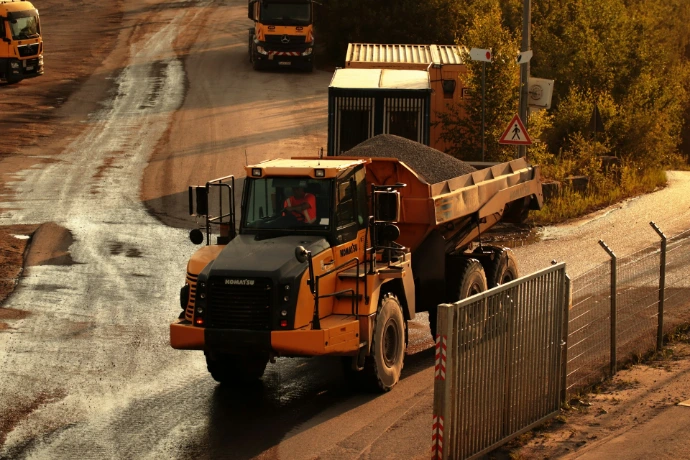
Dump Trucks
Mining dump trucks are the heavy-duty workhorses of open-pit mining, engineered to haul hundreds of tons of raw ore across brutal, unpaved terrain. Operating continuously under extreme payloads, these massive vehicles form the primary logistical link that moves extracted materials from the blasting face directly to processing crushers.
Their importance to the overall mining operation is absolute. Because material throughput dictates a mine's daily profitability, any halt in the haulage fleet paralyzes the entire production chain. To sustain this grueling workload, clean oil is critical for protecting the truck's high-torque diesel engine, massive hydraulic hoist cylinders, and complex planetary wheel gearboxes.
If the oil becomes dirty—contaminated by pervasive airborne silica dust or moisture—the consequences are severe. Abrasive particulates trigger accelerated component wear, valve sticking, and internal friction, leading to catastrophic engine or hydraulic failure.
A breakdown mid-haul instantly creates dangerous haul road blockages and halts material delivery. Financially, running dirty oil results in devastating production downtime, steep revenue losses, and massive overhaul costs that can easily exceed hundreds of thousands of dollars per truck.
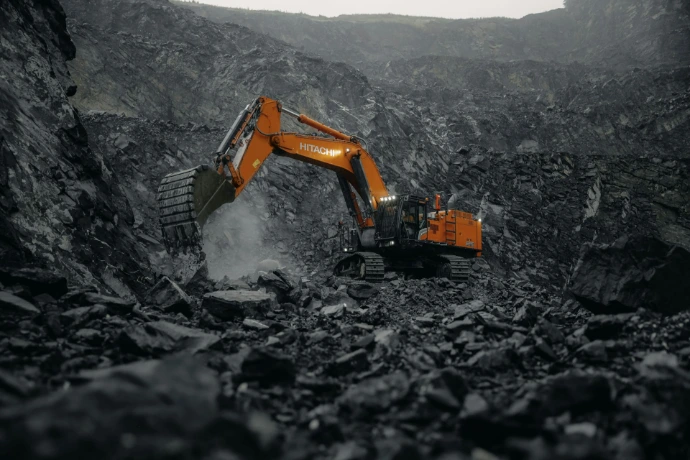
Excavators
Mining excavators are the primary digging powerhouses of open-pit mining operations, engineered to excavate and load massive volumes of blasted rock and raw ore. Operating continuously under grueling conditions, these gargantuan machines sit at the very front end of the mining supply chain, feeding the haulage fleet to keep materials moving.
Their importance to the overall operation is absolute, as they dictate the entire mine's production pace. If an excavator stops, the dump trucks have nothing to haul, creating an immediate bottleneck that paralyzes downstream processing. To maintain the immense digging and lifting forces required, clean hydraulic and lubrication oil is the vital lifeblood protecting their high-pressure pumps, cylinders, and swing gears.
If the oil becomes dirty—contaminated by pervasive airborne silica dust, wear debris, or moisture—the consequences are severe. Abrasive particulates act like sandpaper, causing rapid component erosion, valve jamming, and catastrophic hydraulic pump failures.
A sudden breakdown instantly halts the entire mine's extraction process. Financially, running dirty oil leads to catastrophic production downtime, missed delivery targets, and astronomical emergency repair costs that can easily reach hundreds of thousands of dollars for a single machine.
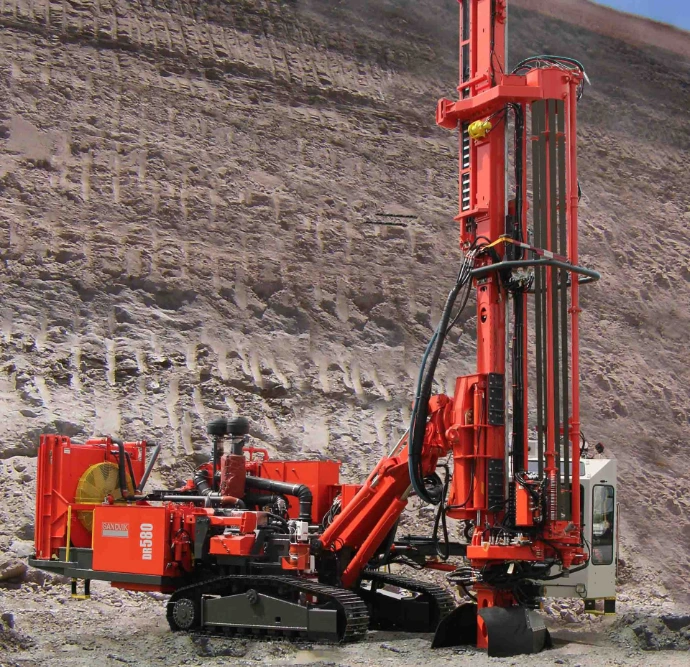
Drilling Equipment
Mining drilling equipment, such as blastole drills and exploration rigs, forms the critical frontline of open-pit and underground mining operations. These rugged machines are responsible for boring deep, precise holes into hard rock for explosive charging or geological sampling, effectively initiating the entire mineral extraction process.
Their importance to the overall operation is absolute; they dictate a mine's forward momentum. If the drilling pace slows or halts, subsequent blasting, excavation, and hauling operations grind to a complete standstill. To sustain this continuous, high-impact mechanical stress, clean hydraulic oil and lubricants are vital to protect heavy-duty top drives, percussion hammers, and feed cylinders.
If the oil becomes dirty—typically contaminated by pervasive silica dust, rock fines, or water—the consequences are severe. Abrasive particulates trigger rapid seal erosion, valve jamming, and catastrophic hydraulic pump failures under extreme operating pressures.
A breakdown instantly paralyzes the mining schedule and creates immediate production bottlenecks. Financially, running dirty oil results in devastating downtime, missed extraction targets, and hundreds of thousands of dollars in emergency repair costs and premature equipment replacement.
Conveyor Belts
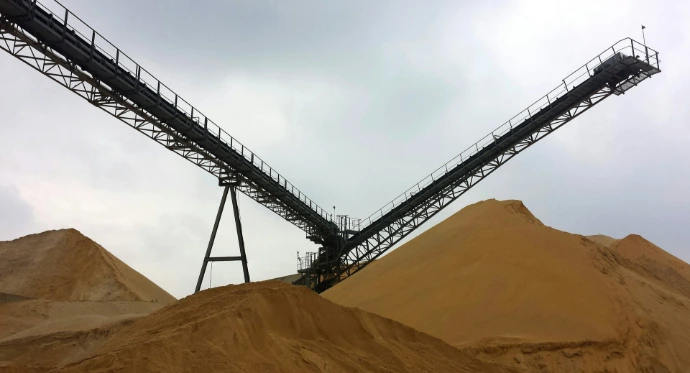
Mining conveyor belts are the primary logistical arteries of a mining operation, engineered to transport thousands of tons of extracted ore continuously over miles of rugged terrain. These massive, automated systems connect the open pit or underground mine directly to processing plants, stockyards, and shipping terminals.
Their importance to the operation is absolute, as they represent the most cost-effective and continuous method of bulk material handling. Unlike haul trucks, conveyor belts provide a steady, uninterrupted flow of ore; if the belt stops, the entire downstream processing facility runs out of material, paralyzing mine throughput. To sustain this constant motion, clean gear oil is vital for protecting the high-torque main drive gearboxes, fluid couplings, and heavy-duty pulley bearings.
If the lubrication oil becomes dirty—contaminated by pervasive ambient coal or silica dust and moisture—the consequences are severe. Abrasive particulates trigger rapid gear tooth wear, bearing pitting, and premature seal failures under immense operational loads.
A sudden gearbox seizure can snap the belt or halt the entire line, causing immediate production bottlenecks. Financially, running dirty oil leads to catastrophic operational downtime, expensive emergency belt repairs, and hundreds of thousands of dollars in premature gearbox overhauls and lost revenue.
Mineral Processing
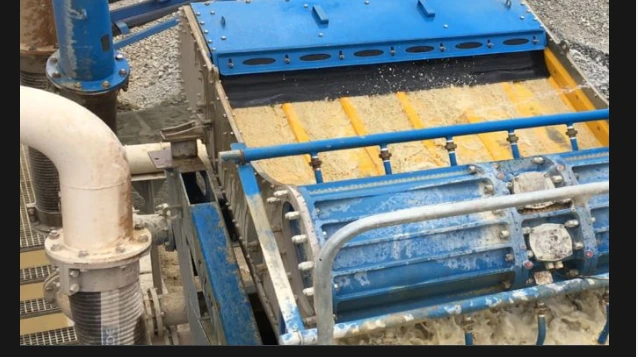
Mineral processing is the critical stage in mining where raw, excavated ore is mechanically and chemically treated to separate valuable minerals from valueless waste rock. Utilizing massive, high-impact machinery like jaw crushers, ball mills, and flotation cells, this process transforms bulky raw materials into high-purity concentrates ready for smelting.
The importance of this operation is absolute, as it directly determines a mine's ultimate profitability and product yield. Mineral processing facilities run continuously to maintain steady production targets; if the processing plant stops, the entire mine’s revenue generation halts. To sustain these grueling, high-load operations, clean lubrication oil is vital for protecting heavy-duty crusher eccentric shafts, mill pinions, and massive giratory gearboxes.
If the lubrication oil becomes dirty—contaminated by pervasive ambient rock dust, slurry chemicals, or water—the consequences are severe. Abrasive particulates trigger rapid gear pitting, bearing wear, and premature seal failure under extreme operating stresses.
A sudden gearbox or bearing failure instantly paralyzes the processing circuit, creating massive production bottlenecks. Financially, running dirty oil leads to catastrophic plant downtime, steep revenue losses, and hundreds of thousands of dollars in emergency equipment overhauls and specialized component replacements.