Oil & Gas
The oil and gas industry is a cornerstone of the global economy, serving as the primary source of the world's energy supply while providing the essential hydrocarbon raw materials required to manufacture plastics, fertilizers, pharmaceuticals, and countless other industrial products.
Gas Compressors
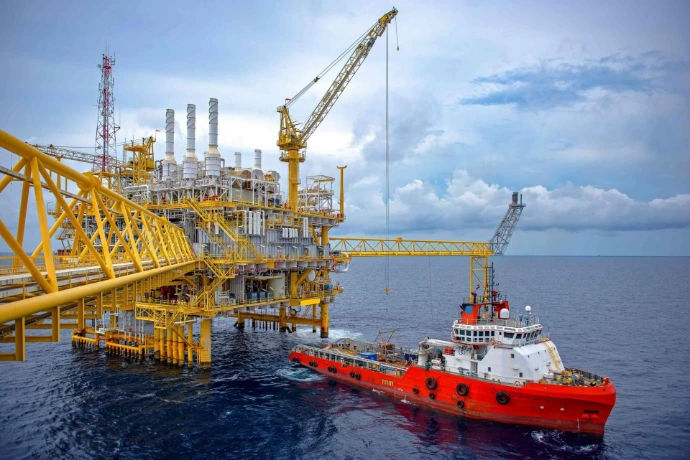
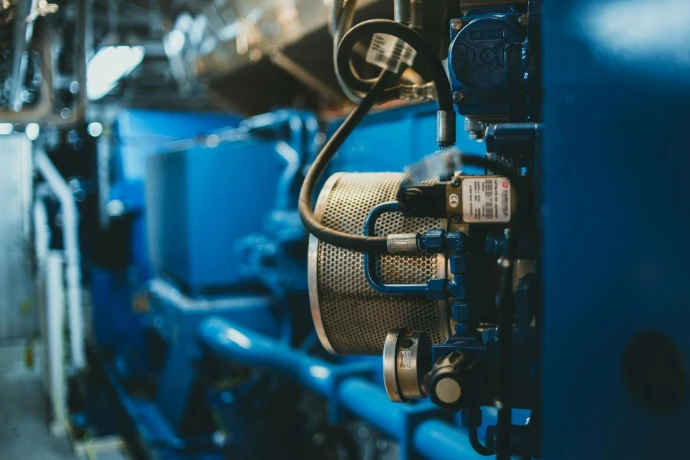
When contaminated lubrication or seal oil runs through a high-pressure gas compressor on an offshore platform, you are no longer running a production asset—you are operating a volatile, high-pressure hazard. The dirty oil ceases to protect and rapidly transforms into a destructive, fluid sandpaper that directly threatens the structural integrity of the entire platform.
Operating in a brutal offshore hydrocarbon environment, the compressor oil is heavily bombarded and ruined by:
Hydrocarbon Gas Ingress (Sour/Wet Gas): High-pressure process gases—heavy with methane, ethane, and highly toxic hydrogen sulfide ($H_2S$)—blow past aggressive compressor shaft seals, dissolving directly into the oil.
Deluge & Moisture Ingress: Severe marine salt spray, tropical humidity, or platform washdowns force saltwater past breathers and reservoir gaskets.
Black Powder & Metallic Grit: Microscopic pipeline scale (black powder), catalyst dust, and internal wear debris flood the lubrication circuit.
Ignoring gas compressor oil contamination initiates an immediate countdown to a catastrophic offshore disaster. If left unrectified, expect:
A High-Speed Bearing Burnout & Seal Blowout: Operating at tens of thousands of RPM, the gas-diluted oil film fails. The main journal bearings will instantly melt and "wipe," causing the shaft to drop. This immediate rotor instability will violently rupture the high-pressure gas shaft seals, causing an un-contained, massive release of highly flammable hydrocarbon gas directly into the module.
A Catastrophic Offshore Explosion & Firestorm: The friction from the failing, metal-on-metal rotor assembly creates hot spots exceeding 800°C. This instantly ignites the escaping high-pressure gas, triggering a massive, catastrophic module explosion and an uncontrollable firestorm that threatens the survival of the entire platform and its crew.
Total Platform Shutdown & Financial Ruin: Because the gas compressor is the absolute heart of offshore production, a sudden failure forces an immediate emergency platform blowdown. You face millions of dollars in deferred production, astronomical emergency logistics costs, and severe regulatory penalties.
The Bottom Line: Gas and water in your compressor oil are a lethal cocktail. Left unrectified, dirty oil will eventually trigger a high-pressure seal blowout and an explosive offshore firestorm that will destroy your asset and put lives at immediate risk.
Diesel Engines
When contaminated lube oil runs through a diesel engine, it stops being a lubricant and transforms into an aggressive liquid grinding paste, actively destroying the machinery from the inside out.
Soot & Carbon: Incomplete combustion blows abrasive carbon particles past the pistons, turning the oil into pitch-black sludge.
Fuel Dilution: Raw diesel leaks into the crankcase, dangerously stripping away the oil's thickness and load-bearing film.
Moisture & Coolant: Internal leaks or condensation mix with combustion gases to form highly corrosive acids.
Metal Debris: Microscopic wear particles accumulate, multiplying internal friction and wear.
Ignoring dirty oil runs a countdown timer on a catastrophic, unrecoverable mechanical failure. If left unrectified, expect:
Exploded Turbochargers: Spinning at over 100,000 RPM, the slightest grit or film loss instantly starves turbo bearings, causing immediate seizure, shattered blades, and a ruptured housing.
A "Thrown Rod" (Blown Block): Under immense combustion pressure, a failed oil film causes metal to weld at high speed. Connecting rods violently snap and punch a massive hole straight through the engine block—turning the entire machine into instant scrap metal.
Piston Seizure: Baked sludge locks piston rings and destroys compression, causing the pistons to overheat, expand, and permanently seize inside the cylinder liners—instantly freezing the entire engine.
Complete Operational & Financial Ruin: This isn't a simple repair. It means sudden, un-scheduled downtime, thousands in emergency logistics, and a total engine replacement bill that can easily bankrupt an operation.
The Bottom Line: Dirt in the oil is a machine cancer. Left unrectified, it will not just degrade performance—it will violently terminate the life of your engine.
BOP & Riser Fluids
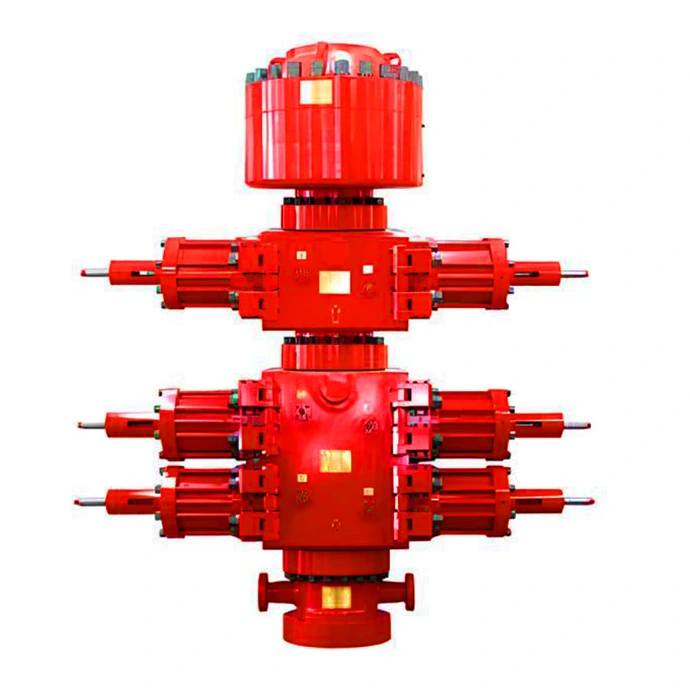
When contaminated control fluid runs through a Blowout Preventer (BOP) and riser system, it ceases to be a reliable hydraulic line and transforms into a sluggish, corrosive sludge—effectively paralyzing your ultimate safety barrier and leaving you completely unprotected against a catastrophic subsea blowout.
Operating under immense hydrostatic pressure on the ocean floor, the water-glycol hydraulic fluid is heavily bombarded and ruined by:
Seawater Ingress: High-pressure subsea environments force saltwater past worn marine riser gaskets and valve seals, destroying the fluid’s chemical balance.
Drilling Mud & Silt Infiltration: Abrasive weighted drilling muds, barite sediment, and rock cuttings migrate past the BOP ram seals during drilling operations.
Bacterial Slime Growth: The water-based fluid becomes a breeding ground for aggressive anaerobic bacteria, forming thick biological mats inside stagnant lines.
Particulate Rust & Scale: Corrosion products and metallic wear flakes flake off the long steel riser lines, flooding the fluid circuit.
Ignoring BOP fluid contamination runs a lethal countdown to an un-mitigated subsea disaster. If left unrectified, expect:
Total Valve Seizure During a Kick: If the well takes a sudden high-pressure gas kick, the subsea control pods must respond instantly. A single valve spool jammed by bacterial slime or drilling silt means the pod will fail to direct fluid power—preventing the BOP rams from closing when you need them most.
A Catastrophic Deepwater Blowout: With the BOP valves frozen or fluid pressure lost due to torn seals, you lose all ability to seal the wellbore. The high-pressure hydrocarbons will violently blast up the marine riser, triggering an uncontrollable deepwater blowout, total platform destruction, and catastrophic loss of life.
Un-Extinguishable Firestorms & Environmental Ruin: Escaping gas igniting at the surface will engulf the drilling rig in an apocalyptic firestorm, leading to total structural collapse, billions of dollars in environmental cleanup liabilities, and immediate bankruptcy for the operating company.
Astronomical Non-Productive Time (NPT): Even without an explosion, a sluggish or leaking subsea BOP forces an immediate halt to drilling. Pulling a heavy BOP stack from the seabed for emergency repairs costs millions of dollars in direct NPT and heavy-lift logistics.
The Bottom Line: Debris and water in your BOP fluid strip away your final line of defense against the well. Left unrectified, a single stuck valve or shredded seal will leave you completely helpless during a critical well control event, turning a manageable gas kick into an explosive, platform-destroying disaster.
Hydraulic Power Unit
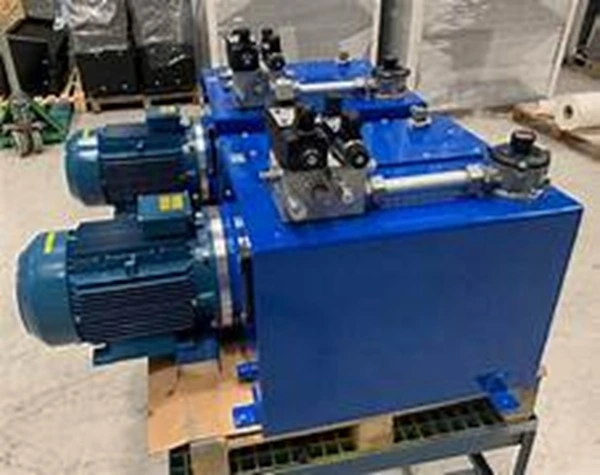
When contaminated hydraulic oil runs through a High-Pressure Unit (HPU), it transforms from a smooth power-transfer fluid into an aggressive, high-velocity liquid sandpaper, systematically chewing apart high-pressure pumps and valves operating at up to 350 bar or more.Operating under immense, crushing pressures, HPU oil is rapidly degraded and ruined by:
Atmospheric Moisture & Condensation: Daily thermal cycling breathes humid air into the reservoir, turning into free water that destroys the oil's chemical stability.
External Particulate Ingress: Abrasive dust, environmental grit, and airborne soot bypass worn reservoir seals and tank breathers.
Internal Wear Metals: High-pressure axial piston pumps and motors constantly shed microscopic metallic wear flakes under heavy load stress.
Varnish Formation: Extreme localized heat and severe pressure drops across control valves cook the oil, forming a sticky, amber-colored chemical sludge.
Ignoring HPU oil contamination initiates an unstoppable countdown to a catastrophic operational and structural disaster. If left unrectified, expect:
A Sudden, Catastrophic Load Drop or Mechanical Crash: If a critical proportional or directional valve freezes or experiences a sudden seal blowout while holding a massive load or controlling heavy machinery, the HPU will lose hydraulic pressure instantly. The heavy equipment will drop or swing uncontrollably, crushing anything in its path, fracturing structures, and endangering lives.
Total Pump Destruction & Casing Explosion: The main high-pressure hydraulic pumps will swallow the gritty, water-compromised slurry until they violently seize and shatter internally at full operating speed, throwing razor-sharp metal fragments throughout the hydraulic circuit and completely paralyzing your operations.
High-Pressure Oil Fires: Scorched, leaking seals can trigger pinhole spray leaks. This micro-fine mist of high-pressure hydraulic oil acts like a flamethrower if it hits a hot surface, igniting an instant, un-extinguishable firestorm in your machinery room.
Staggering Financial Ruin: An HPU failure immediately shuts down the entire production line, deck crane, or system it powers. You face sudden operational paralysis, thousands of dollars per hour in unscheduled downtime, and an astronomical repair bill to replace specialized, high-pressure hydraulic components.
The Bottom Line: Contamination in your HPU oil is a fatal machine cancer. If you choose to ignore it, a single stuck valve spool or a shattered pump will violently terminate your operations, destroy your asset, and expose your company to massive financial liability.
Pipe Handling Equipment
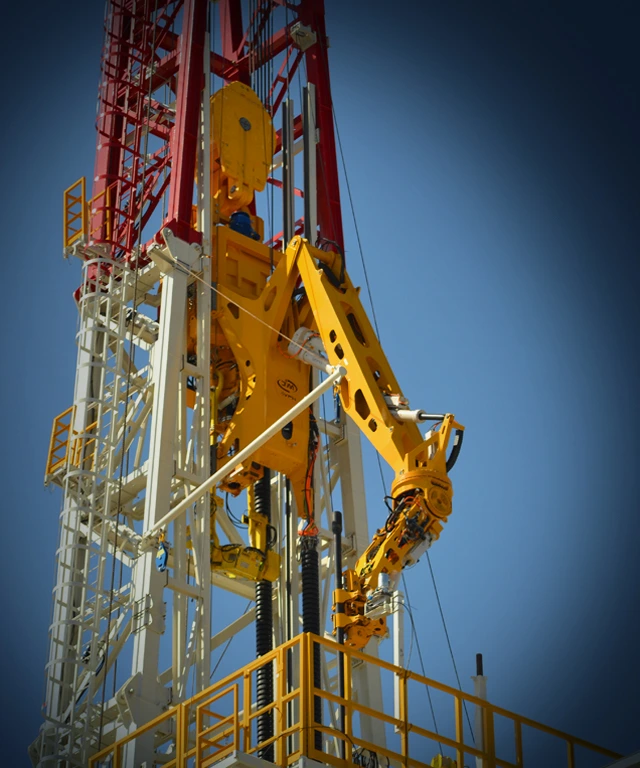
When contaminated hydraulic oil runs through heavy pipe handling equipment (like iron roughnecks, pipe catwalks, and bails), it transforms into a volatile, high-pressure liability. The fluid stops acting as a power transmitter and becomes an aggressive liquid sandpaper, actively grinding away at the heavy machinery handling multi-ton steel drill pipes right over the open drill floor.
Operating in the harsh, open-air environment of the rig floor, the hydraulic oil is heavily bombarded and ruined by:
Abrasive Grit & Thread Compound (Dope): Airborne environmental grit, rust flakes from drill pipes, and sticky zinc/copper-loaded pipe dope migrate past cylinder rod wipers and seals.
Moisture & Washdown Ingress: Torrential rain, high humidity, and high-pressure rig washdowns force water and harsh cleaning chemicals past reservoir breathers and gaskets.
Internal Wear Metals: The immense torque and crushing forces required to break pipe connections cause high-pressure pumps to heavily shed microscopic metallic wear flakes.
Ignoring pipe handling hydraulic oil contamination initiates an immediate countdown to a catastrophic drilling floor disaster. If left unrectified, expect:
A Fatal Pipe Drop or Uncontrolled Swing: If a critical hydraulic valve freezes or a cylinder seal catastrophically blows out while lifting or moving a heavy stand of drill pipe, the equipment will lose clamping pressure instantly. The multi-ton steel pipe will slip out and drop vertically onto the drill floor, or swing wildly across the rig, instantly crushing or decapitating crew members in its path.
Iron Roughneck Seizure & Rig Floor Smash: A jammed torque valve can cause an iron roughneck to suddenly fail to release its jaw grip or violently over-torque a connection, snapping the pipe string or shattering its own high-pressure hydraulic actuators, throwing lethal metal shrapnel across the floor.
Staggering Non-Productive Time (NPT): Because pipe handling equipment is critical to making or breaking connections, a sudden hydraulic failure instantly paralyzes all drilling operations. You face catastrophic NPT costs (running into hundreds of thousands of dollars per day) and severe financial penalties.
The Bottom Line: Dirt in your pipe handling hydraulic oil turns a massive piece of machinery into a deadly, unpredictable weapon on the rig floor. If you choose to ignore it, a single stuck valve or a shredded cylinder seal will eventually drop a multi-ton steel pipe, destroying your equipment and putting your crew's lives at immediate risk.
Mud Pump
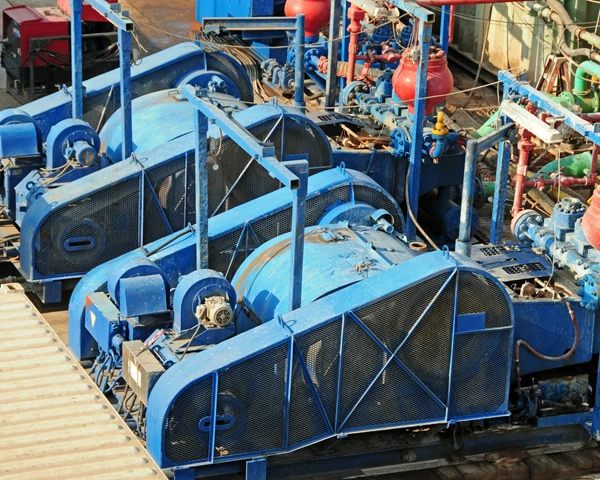
When contaminated oil runs through a drilling mud pump's power end, it turns your high-pressure circulation system into a ticking mechanical bomb. The oil stops protecting and transforms into a heavy, abrasive grinding paste, actively chewing apart massive gears and bearings operating under immense, crushing loads.
Operating at the very focal point of the rig's fluid circulation, the mud pump gear and bearing oil is heavily bombarded and ruined by:
Drilling Mud Ingress: Highly abrasive drilling mud (containing bentonite clay, barite weight materials, and rock cuttings) relentlessly forces its way past worn piston rod seals and crosshead diaphragms straight into the oil crankcase.
Condensation & Washdown Water: High operational heat combined with daily cooling cycles pulls in heavy atmospheric moisture, compounded by high-pressure rig washdowns forcing water past reservoir gaskets.
Extreme Wear Debris: The intense cyclical shock-loading forces the massive bull gears and roller bearings to heavily shed microscopic metal flakes, rapidly accelerating the destruction cycle.
Ignoring mud pump oil contamination starts an unstoppable countdown to absolute mechanical and operational destruction. If left unrectified, expect:
A High-Speed Bearing Seizure & Crosshead Smash: The mud-choked oil film fails, causing extreme friction. The main roller bearings will violently overheat and seize at full speed, causing the crosshead assembly to jam, snap its connecting rods, and punch a massive hole straight through the heavy cast-iron pump frame.
Catastrophic Crankcase Explosion: Frictional heat from the seizing bearings can exceed the flashpoint of the degraded, gas-tainted oil. This triggers a violent crankcase explosion, blowing the inspection covers off and throwing white-hot metal shrapnel and burning oil across the pump room.
Sudden Well Control Crisis (Loss of Circulation): If the mud pump violently self-destructs while you are actively drilling through a high-pressure zone, you instantly lose your ability to pump mud and maintain hydrostatic head. This can trigger an immediate uncontrolled well kick or a catastrophic blowout, threatening the entire rig and its crew.
Astronomical Non-Productive Time (NPT): A shattered mud pump completely paralyzes drilling. You face catastrophic NPT costs running into hundreds of thousands of dollars per day, massive repair logistics, and an astronomical replacement bill that can bankrupt an operation.
The Bottom Line: Mud solids and water in your crankcase are a fatal machine cancer. If you choose to ignore it, a single seized bearing or snapped rod will violently explode your pump frame, freeze your drilling operation, and expose your crew to a catastrophic well control disaster.
Fluid Transfer
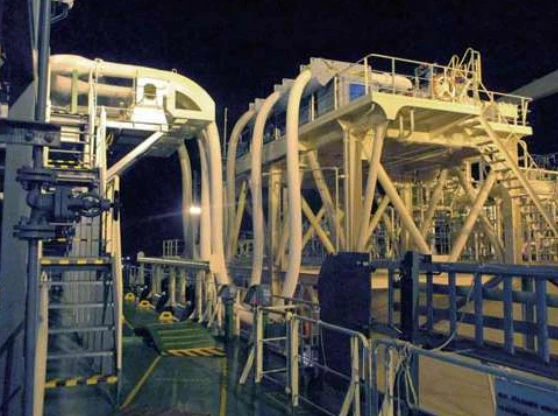
Fluid transfer operations, encompassing ship-to-shore and ship-to-ship methods, are critical for moving volatile liquids like crude oil and Liquefied Natural Gas (LNG). Utilizing specialized infrastructure—such as high-pressure composite hoses, hose towers, and cryogenic quick-connect couplings—these systems bridge the gap between massive ocean tankers and storage terminals, or safely balance cargo loads between vessels at sea.
The importance of these transfer operations is absolute for global energy supply chains and resource distribution. They allow for the rapid, efficient movement of bulk hydrocarbons across oceans, fueling international markets and power grids. Because LNG must be transferred at extreme cryogenic temperatures ($-162^\circ\text{C}$), these specialized systems ensure safe fluid containment, preventing sudden, dangerous phase changes during the transfer process.
If these fluid transfer components are damaged or malfunction—typically from hose degradation, coupling wear, or sudden pressure surges—the consequences are catastrophic. A ruptured line or failure in emergency release systems can trigger massive oil spills, toxic gas clouds, or explosive LNG flash fires. Financially, transfer failures lead to immediate port lockdowns, devastating environmental fines, multi-million-dollar vessel delays, and critical energy shortages worldwide.
Floating Roof Tanks
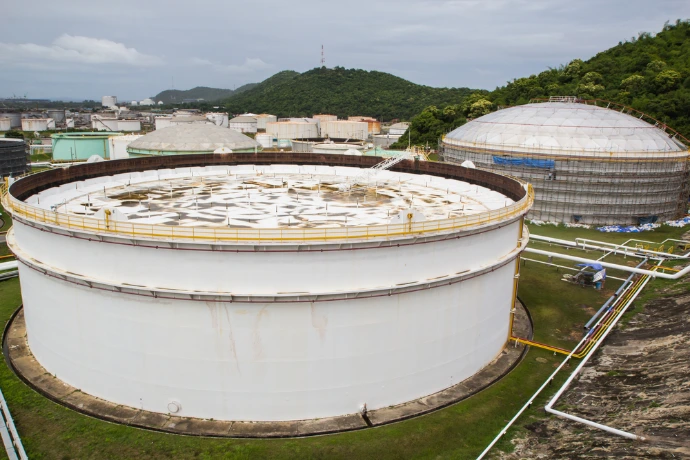
If the floating roof or its peripheral seal system is damaged—often due to heavy rainfall, seal wear, or mechanical binding—the consequences are severe. A compromised seal allows toxic, flammable vapors to escape, creating immediate fire and health hazards. Furthermore, a tilted or sunken roof can trap water, contaminate the stored fuel, and cause catastrophic structural buckling. Financially, a failure triggers massive product losses, steep environmental penalties, and millions of dollars in hazardous tank cleaning and repair costs.